Plenty of Gulf Coast dock owners believe their pilings are safe from wildlife damage because they focus on wood rot and metal corrosion—the threats they’ve actually heard about. Then they walk out one morning and find a 6×6 post narrowed to toothpick thickness at the waterline, the decking sagging under their boots. By that point, the damage is months old and the repair bill looks like a car payment.
Water damage, shipworms, and sun exposure grab most of the attention when we talk about dock deterioration. But in my two decades repairing Gulf infrastructure, I’ve concluded that rodents—nutria and beaver specifically—are chewing through structural timbers faster than people realize. The destruction happens methodically, in a narrow zone where you can’t easily see it, and by the time anyone notices something’s wrong, the piling is already past the point of patching.
Here’s what I’m laying out: how to spot whether rodents have been working your pilings, what draws them to your dock in the first place, and which defense methods I’ve actually watched succeed across multiple seasons. I’ll also be straight about when you’re beyond the DIY threshold and need to call a contractor.
Nutria vs. Beaver: Know Your Enemy
Stopping the problem requires knowing which creature you’re up against. On the Gulf Coast, nutria account for most of the damage I encounter—but beaver show up too, particularly in areas where fresh water feeds into tidal systems. The identification matters because your barrier strategy shifts depending on the animal’s size and gnawing behavior.
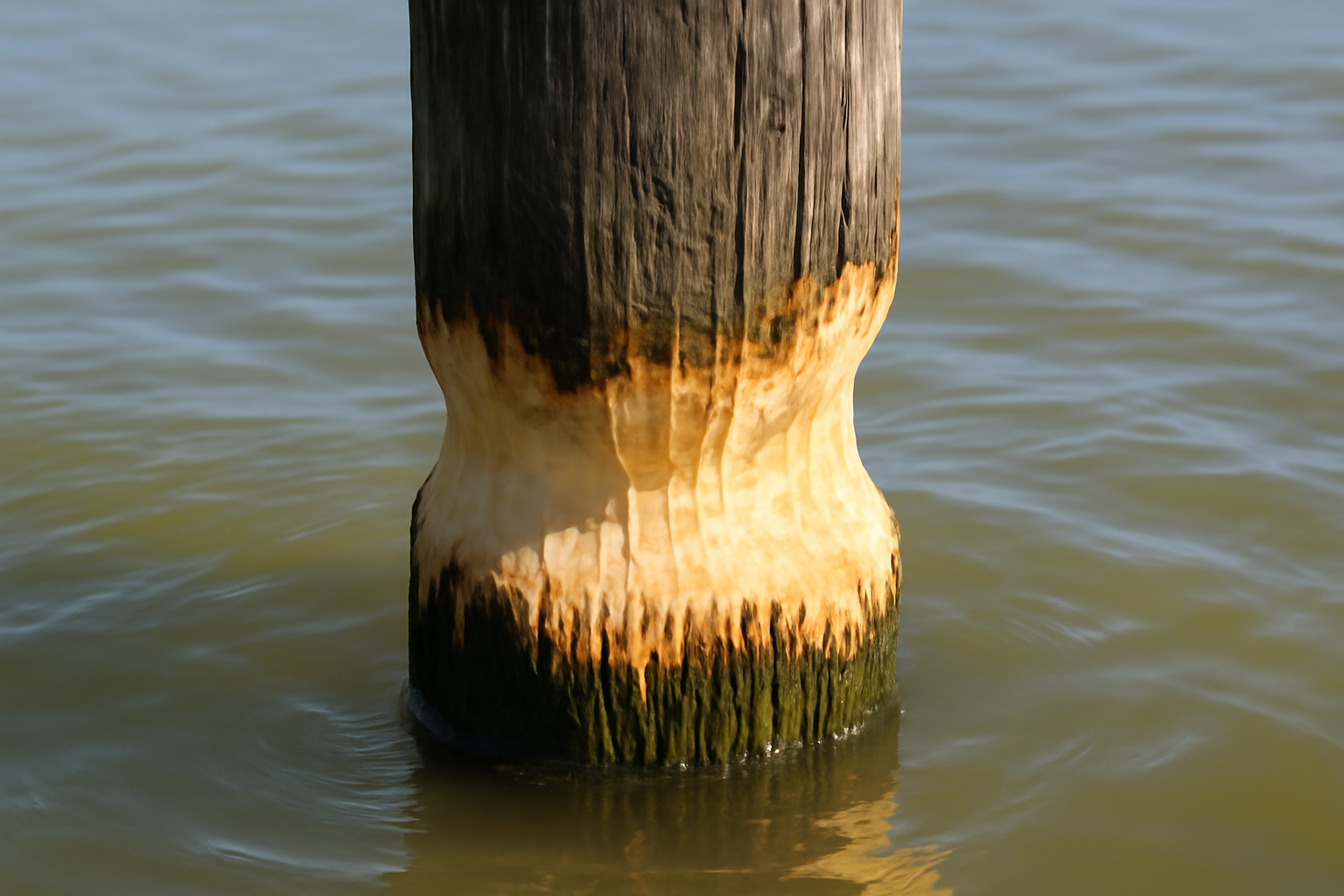
Nutria (Myocastor coypus) landed in Louisiana around 1930 as an escaped or released fur-farm animal. These semi-aquatic rodents carry 12 to 20 pounds on their frames and possess large rust-colored incisors that never stop growing. They gnaw not for nutrition but for tooth maintenance. Your wooden dock pilings, especially the submerged or near-waterline portions, are like a rodent dentist’s office. Nutria damage typically clusters right at or just above the waterline, carved into that characteristic pinched hourglass profile as the animal works from multiple directions simultaneously.
Beaver tend to inhabit freshwater or low-salinity environments—river-connected lakes, sluggish bayou stretches, impoundment systems. They exceed nutria in size, topping out around 60 pounds, and their tooth marks run wider and deeper through the grain. Wood debris accumulates in a pile at ground level beneath their work zone. Both species fall under state wildlife protection statutes, meaning you typically can’t trap or remove them without a nuisance-animal license. Contact your regional wildlife management office before you act—Louisiana relies on the LDWF for these permits; Florida uses the FWC.
Spotting Rodent Damage Before It Becomes a Structural Crisis
Catching this damage in its early stages can spare you thousands in replacement costs. My standard advice to dock owners: inspect the waterline zone on every piling monthly. You’re not hunting for general deterioration—you’re looking for very specific markers.
What Gnawing Actually Looks Like
- Knife-like bite impressions — Precision gouges measuring 1/4 to 1/2 inch in width from nutria; broader marks of 3/4 inch or more from beaver
- Constricted profile at the tide line — The signature nutria pattern, visible when an animal is chewing circumferentially around a round or squared timber
- Floating wood fragments — Shavings or chips drifting below the piling or caught in currents nearby
- Raw, cream-colored timber exposure — Gnaw paths that cut through the chemical preservative layer, exposing the untreated wood underneath
- Rust-tinted streaks — Staining marks left by nutria’s mineral-rich tooth enamel around each bite zone
When I first discovered gnaw damage on my own pilings, I nearly wrote it off as scarring from a bumped dock line or fender impact. Eight weeks passed before I probed the mark with a screwdriver and felt how soft the wood had become. The geometry of gnaw marks has an unmistakable stepped or angled pattern that casual mechanical damage simply can’t mimic. That’s the probe test I now recommend to everyone.
Testing the Extent of Structural Loss
After you’ve confirmed gnaw marks are the culprit, measure how deep the problem penetrates. Take an ice pick or a tapered metal probe and press it straight into the gnawed section. Properly treated and intact pine lumber resists easy penetration. Should your probe sink past 1/2 inch under hand pressure alone, that piling’s structural reliability is already compromised.
When gnawing removes more than roughly 30–40% of a piling’s load-bearing cross-section at any single location, the post becomes unreliable from an engineering standpoint. A nominal 6×6 timber cross-section totals 36 square inches. Damage exceeding 12–15 square inches in that zone shifts risk into the serious category. In a coastal hurricane zone, you don’t want to bet the stability of your dock on a structural member that’s already been partially consumed. That’s professional replacement territory.
Defense Strategies Against Nutria and Beaver Piling Gnawing
Across 20 years, I’ve piloted most of the commercial and homemade deterrent approaches available. Performance varies widely. Some deliver lasting protection. Others deplete your wallet for minimal results. Here’s what actually delivers, listed by track record.
1. Protective Sleeves and Wrapping Materials
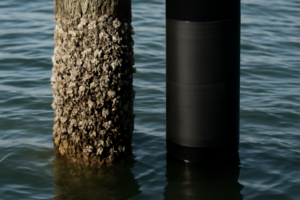
The most dependable approach involves wrapping the vulnerable zone—typically 12 inches below the waterline to 24 inches above it—with a material the animals cannot penetrate. Galvanized or stainless steel sheet metal bent into sleeves and fastened with stainless steel banding accomplishes this reliably. Avoid standard steel and aluminum both; they corrode rapidly in saltwater.
Pre-curved metal sleeves designed for round pilings come ready to install from marine suppliers in the $18–$35 range per post. Square timber pilings require custom bending of flat sheet stock, driving material costs to $6–$10 per post if you tackle the fabrication yourself. The math is straightforward: this investment guards timbers worth $150–$400 apiece during installation. The insurance is inexpensive compared to replacement.
2. Topical Deterrent Applications
Numerous commercial wildlife repellent formulas target this exact problem. They function as temporary dissuasion—effectiveness typically extends 4 to 6 weeks before reapplication becomes necessary. Hot pepper extract products (capsaicin formulations) offer the most reliable short-term results I’ve documented. However, tidal currents and flowing water strip away the coating far faster than manufacturer instructions suggest. Even so, they merit consideration during initial barrier installation, when rodents may test new obstacles for vulnerabilities.
Steer clear of creosote-based or crude-oil-derived protective coatings anywhere near the waterline or submerged sections. Most state environmental agencies and Army Corps Section 404 permitting prohibit these substances in navigable waters. Before brushing any chemical onto your pilings in the water zone, verify what your permit documentation actually permits.
Metal Piling Spikes: A Climbing Deterrent That Changed How I Manage Nutria Pressure
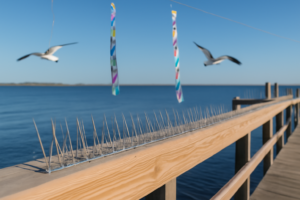
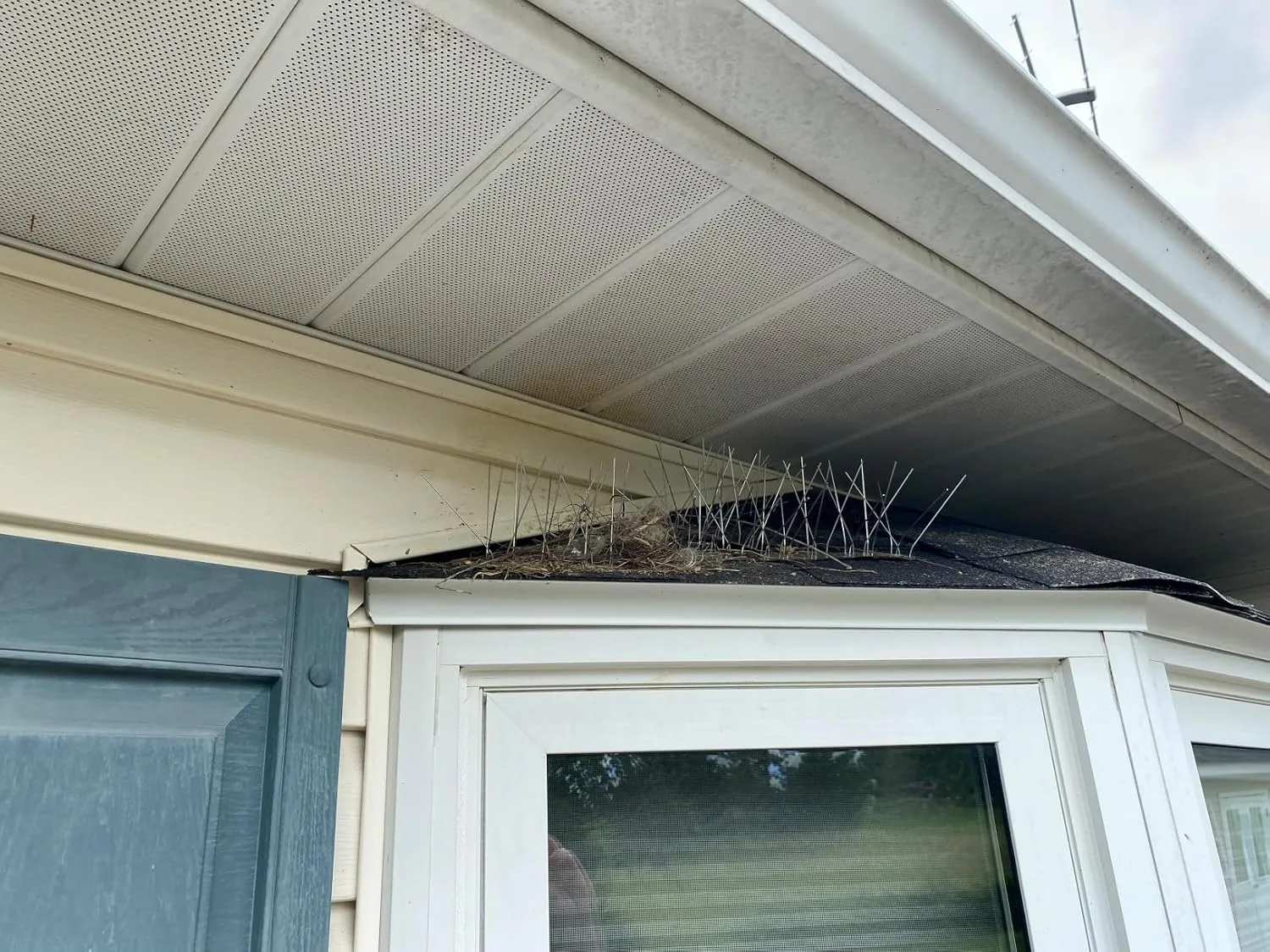
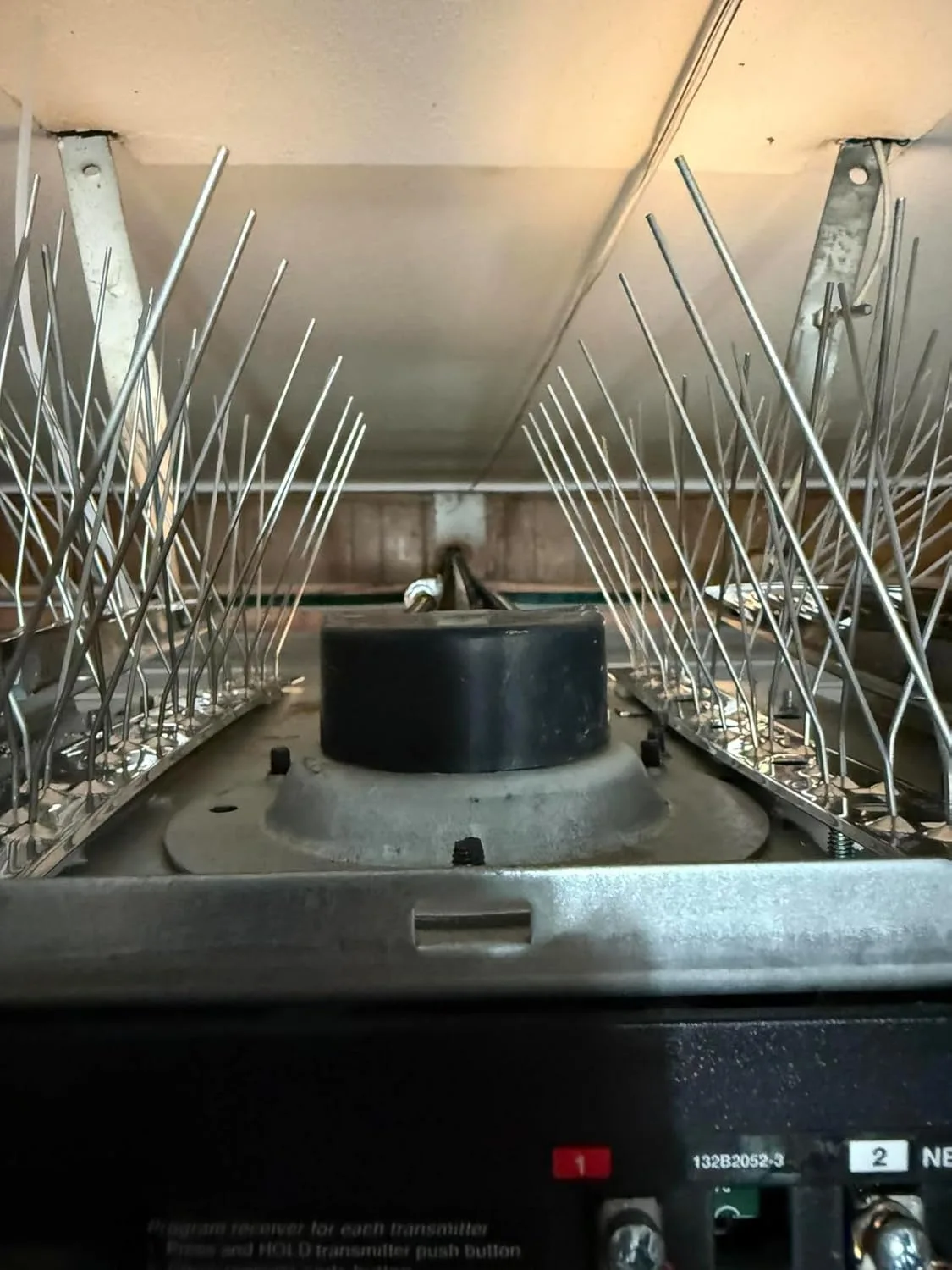
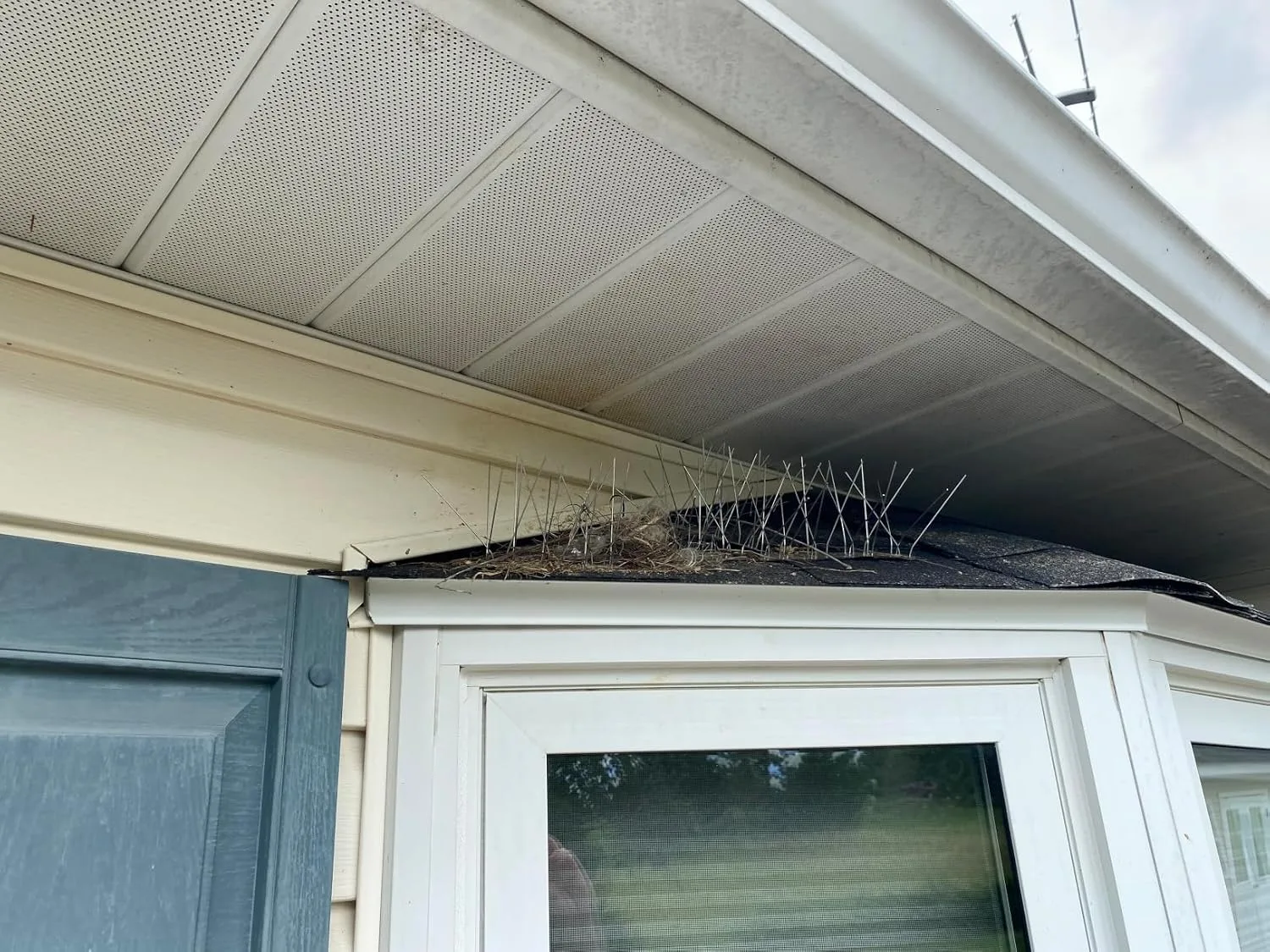
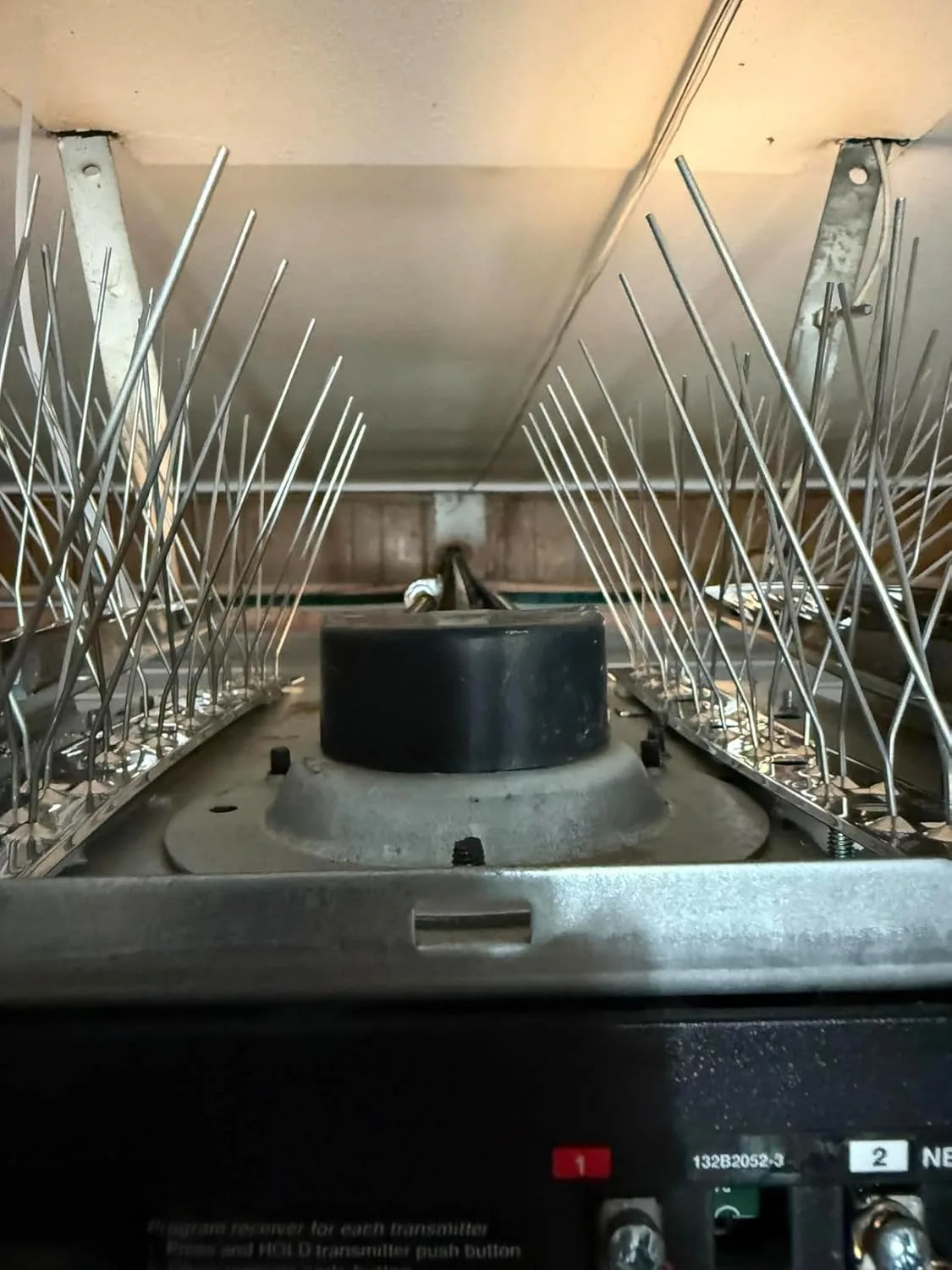
Nutria and beaver don’t restrict their activity to gnawing—they’re also climbers, ascending exposed timber to reach tender bark and plant growth in the upper zones. Anticlimb spikes redirect the animals toward less-defended structures, forcing them downstream rather than onto your pilings. Stainless steel construction outperforms cheaper materials under constant saltwater exposure and humidity cycles.
Advantages
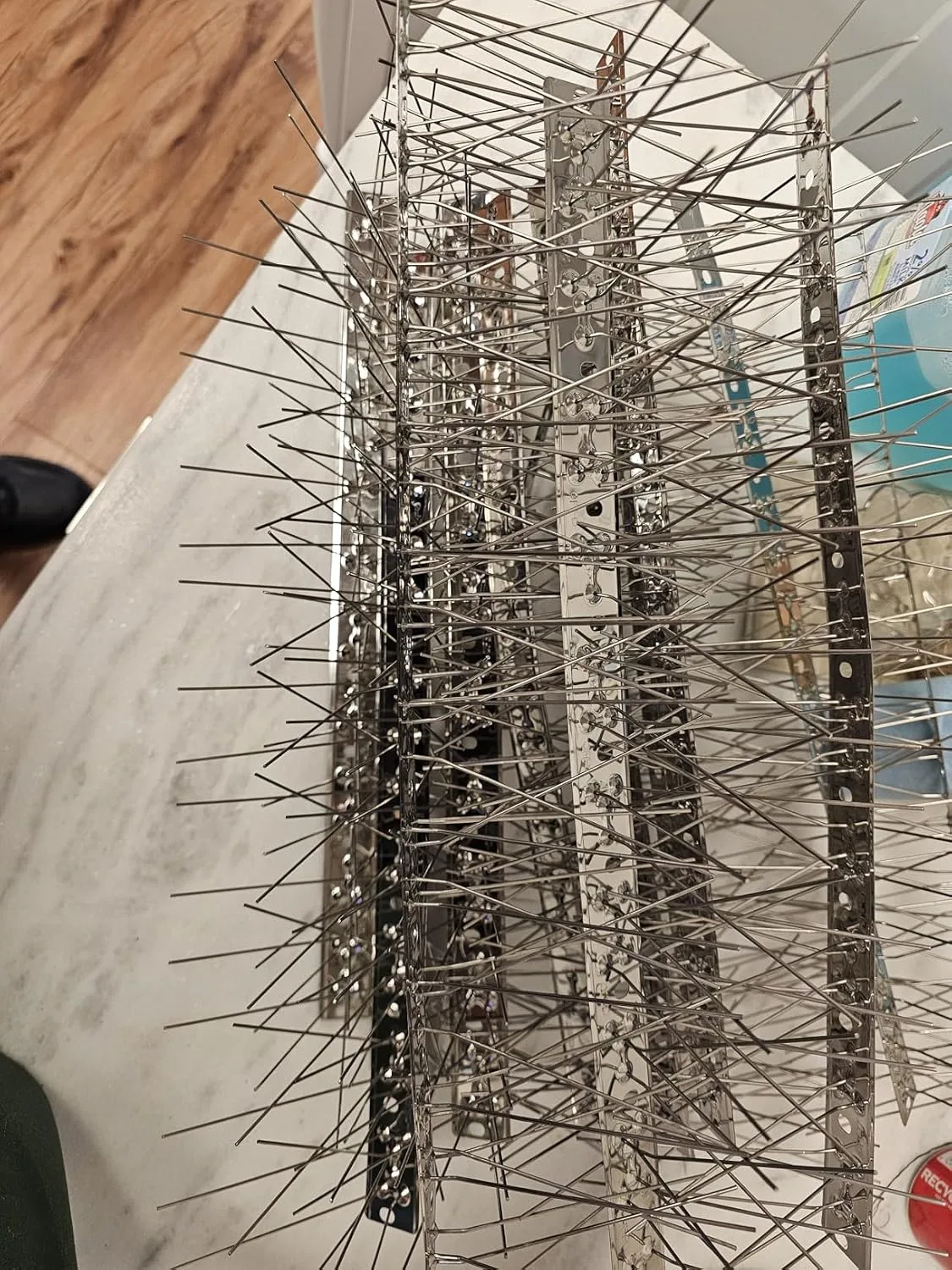
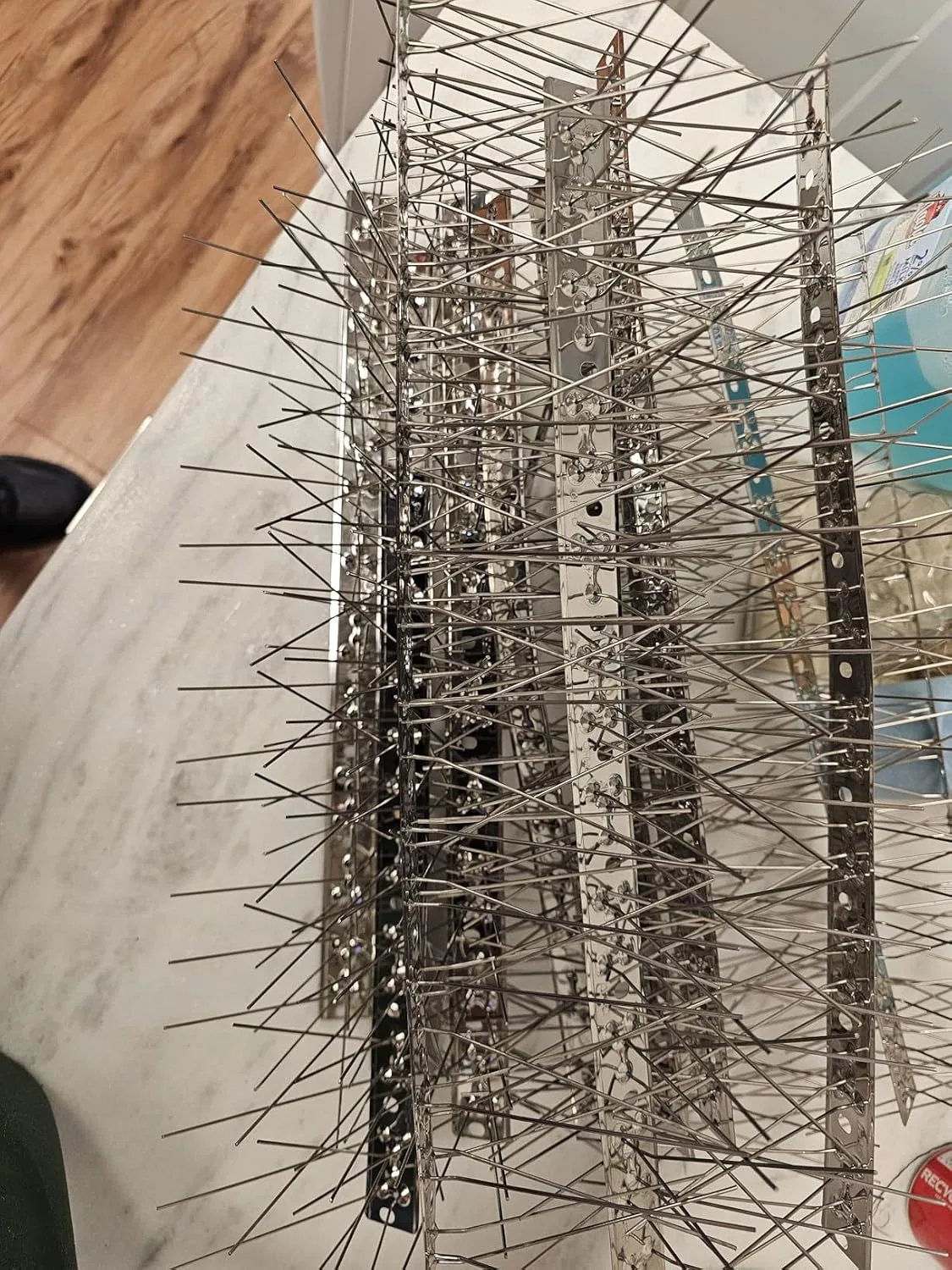
- 10.2 feet of linear coverage protects multiple posts when staggered without gaps where rodents could slip through unguarded
- Stainless alloy construction resists rust and saltwater deterioration far superior to galvanized or powder-coated options—I’ve monitored cheaper alternatives rust completely through in two seasons on basin installations
- The downward spike angle causes rodents to lose grip when attempting vertical transit, pushing them toward alternate food sources elsewhere in the waterway
Limitations
- Proper installation demands wrapping each post circumferentially and drilling pilot holes through timber—a full day’s work if you’re securing half a dozen pilings like that Atchafalaya property required
- Does nothing to prevent submerged gnaw damage, which means combining this method with underwater guards or premium timber selection remains necessary for comprehensive protection
I was skeptical the first time I wrapped spikes around a piling—honestly looked like overkill—but watching a young nutria try to climb the protected post and give up within seconds justified the investment immediately. Grab the OFFO Bird Spikes with Stainless Steel Base (10.2 feet / 3.1m kit) and stop losing pilings to rodent damage.
Frequently Asked Questions
What do nutria bite marks on dock pilings look like?
Nutria leave knife-like bite impressions measuring 1/4 to 1/2 inch wide, typically clustered at or just above the waterline. The wood develops a characteristic pinched hourglass profile as the animal gnaws from multiple directions. You’ll also see raw, cream-colored timber exposure where the bite cuts through the preservative layer, and rust-tinted streaks from the nutria’s mineral-rich tooth enamel around each mark.
How do I test if rodent damage has compromised my piling?
Use an ice pick or tapered metal probe, pressing it straight into the gnawed section. If the probe sinks past 1/2 inch under hand pressure alone, the piling’s structural reliability is already compromised. When gnawing removes more than 30–40% of a 6×6 piling’s cross-section at any location, that’s professional replacement territory and beyond DIY repair.
What size metal sleeves protect dock pilings from nutria?
Wrap the vulnerable zone typically 12 inches below the waterline to 24 inches above it with galvanized or stainless steel sheet metal fastened with stainless steel banding. Pre-curved sleeves for round pilings cost $18–$35 per post from marine suppliers. Custom-bent flat sheet for square timber runs $6–$10 per post if you fabricate it yourself, protecting timbers worth $150–$400 each.
Do metal spikes prevent nutria from climbing dock pilings?
Yes. Stainless steel anticlimb spikes with a downward angle redirect nutria toward other food sources before they reach your timber. A 10.2 feet kit protects multiple posts when staggered without gaps. Stainless construction outlasts galvanized alternatives by two seasons in saltwater. However, spikes prevent climbing damage only—combine them with underwater guards for comprehensive protection against submerged gnawing.
Sources and further reading
About This Article

Written by Trent Hollis. Waterfront homeowner turned DIY obsessive. After two decades tinkering with my own dock, seawall, and boat lift on the Gulf Coast, I share everything I've learned about waterfront construction, boat lift maintenance, and coastal living projects. More about this site.
Scope and limits. Trent is a waterfront homeowner, not a licensed marine contractor. Structural, electrical, and lift work should go to a licensed marine contractor, and most in-water work needs a permit before you start.
Verify this against a primary source
Specifics change, and your situation may differ from the one described here. These are the authorities worth checking directly:
- ABYC — marine electrical and construction standards
- U.S. Army Corps of Engineers — permitting for work in navigable waters
- NOAA Tides & Currents — tidal range and water level data for your site