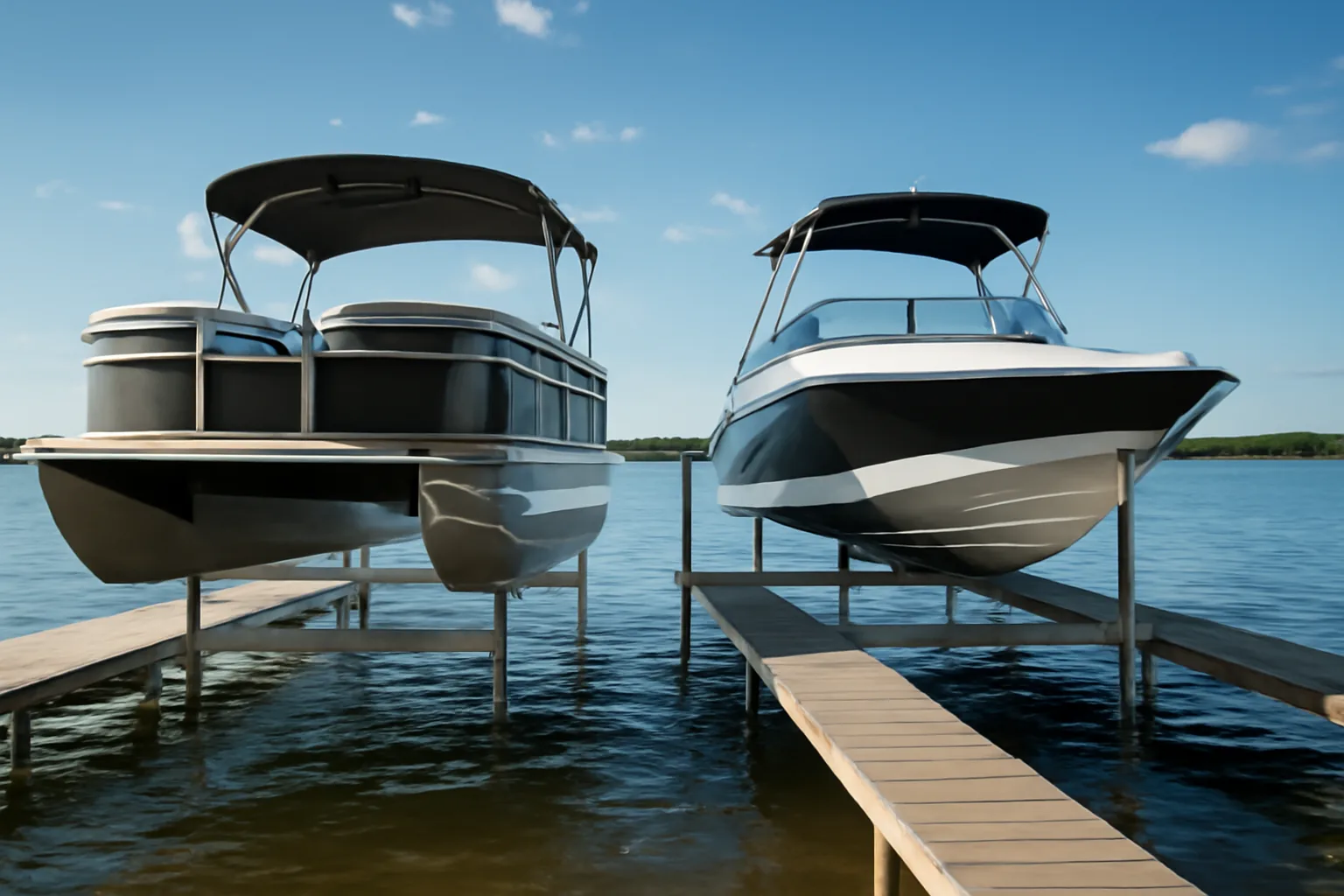
Mixing metals underwater will corrode your fasteners in months, not years — and that’s just the beginning of what goes wrong when boat owners rush the lift selection. Over two decades pulling apart failed systems, I’ve seen owners choose based on what fits the slip or what their buddy owns, skip the weight calculations entirely, and end up with equipment that either strains on every cycle or catastrophically fails with tens of thousands of dollars hanging in mid-air. Picking between a cantilever and vertical lift isn’t about aesthetics or brand names. The math is brutally simple: your boat’s wet weight, the water depth at your lowest tide, and your available headroom dictate the answer. Work through those three variables, and everything else follows logically.
I spent two decades working on Gulf Coast docks before I started writing this down for DIY dock builders with knowledge they could actually trust. That span included more than 300 lift installations — cantilevers and verticals, two-post and four-post configurations, hand-cranked and fully motorized systems. I’ve demolished lifts that failed within a single season and certified installations still operating flawlessly fifteen years on. The lessons from pulling apart what breaks and maintaining what endures are woven directly into what follows. By the time you finish reading, you’ll understand the mechanical reality of both lift types and recognize that spec-sheet capacity numbers only tell half the story.
| System Type | Max Capacity | Ideal Water Depth | Installed Cost |
|---|---|---|---|
| Cantilever | 6,000 lbs | 2–4 feet | $1,800–$3,500 |
| Cantilever (reinforced) | 8,000 lbs | 2–4 feet | $1,800–$3,500 |
| Vertical (standard 4-post) | 7,000–10,000 lbs | 4 feet minimum | $3,500–$6,500 |
| Vertical (high-end) | 20,000 lbs | 4 feet minimum | $3,500–$6,500 |
How Each Lift System Actually Works
Start by grasping how these two systems function at a mechanical level. Cantilever lifts operate through a hinged-beam assembly. The beams anchor at a shoreside pivot and swing upward while cables tighten, lifting the cradle out of the water as the arm rotates. Picture a seesaw — the dock acts as the pivot point, the beam spans outward, the mechanical advantage comes from the arc. This geometry performs exceptionally well in shallow conditions, usually between 2 and 4 feet of water, since the lifting motion is rotational rather than purely vertical.
Vertical lifts operate on an entirely different principle. A motor drives pulleys and cables that raise the cradle in a straight line using a tower frame mounted on four posts driven into the bottom. The vessel slides onto the cradle, the motor engages, and the cradle ascends perpendicularly. This mechanical approach permits substantially higher load ratings — baseline commercial models begin around 7,000 pounds and scale upward to 20,000 pounds or beyond. These systems demand greater water depth underneath — typically 4 feet minimum as a baseline — to allow sufficient clearance for the boat to settle fully onto the cradle before the lifting sequence starts.
The installation blunder I encounter most frequently among DIY builders involves positioning a cantilever system in a slip deeper than the design intention. When water exceeds 5 feet, the arc geometry breaks down. The cradle never completes its swing, hydraulic or electric loads spike dangerously with each operation, and you’re looking at premature motor failure and cable rupture in rapid succession.
Navigating Weight Ratings: Why Manufacturer Specs Lie By Omission
This is the juncture where most boat owners stumble badly. The capacity figure stamped on lift documentation presumes textbook scenarios. It assumes your load sits dead-center in the cradle, water remains glassy-calm, and every component has been perfectly tuned. The real world operates differently. That’s precisely why I counsel purchasing 20% above your boat’s total operating weight without exception.
Cantilever systems top out functionally around 6,000 pounds. Certain reinforced two-post cantilever variants approach 8,000 pounds, though these represent rare, specialized builds. Once your vessel — including all onboard fuel, tackle, safety gear, and miscellaneous accumulation settling in the bilge — crosses 5,500 pounds, I recommend shifting your focus entirely toward a vertical configuration. That 500-pound safety margin becomes irreplaceable when storm surge pitches your hull around at 2 in the morning.
For heavier boats, vertical platforms dominate the choice. Standard four-post vertical models comfortably handle 7,000 to 10,000 pounds. High-end units manufactured by outfits like ShoreMaster and Craftlander reach 20,000 pounds for larger express cruisers and dual-outboard center consoles. The financial reality is steeper: budget between $3,500 and $6,500 installed for a solid mid-capacity vertical system, compared to $1,800 to $3,500 for a functionally equivalent cantilever option.
Establishing True Boat Weight Beyond Published Specifications
Here’s what you need to factor in when converting your boat’s manufacturer dry weight into an actual working load:
- Gasoline at full tank capacity: 6.1 lbs per gallon; diesel fuel: 7.1 lbs per gallon
- Freshwater system when present: 8.3 lbs per gallon when completely full
- Fishing gear, ice boxes, emergency kits, and personal effects carried aboard: reserve 200–400 lbs as baseline
- Outboard or inboard powerplant if manufacturer specifications exclude it: outboards span 250 to 600+ lbs depending on displacement
- Aftermarket installations such as canvas, tower, or hardtop structures if applicable
Tally those components, then layer your 20% safety multiplier on top. That sum becomes your non-negotiable minimum lift rating. Compromise on this figure and you compromise on system longevity.
Tidal Fluctuation and Water Depth: The Kingpin Variables Overruling All Else
This lesson was burned into my brain during a 2009 installation outside Pensacola. A neighbor owned a 22-foot center console that weighed approximately 4,200 pounds loaded. The numbers suggested a cantilever was textbook appropriate. What I failed to assess correctly was the tidal movement at that particular location — the swing between lowest and highest tide reached nearly 2.5 feet. When tide receded to its minimum, the water shallowed to just 22 inches directly beneath the lift footprint. The boat’s hull began dragging the cradle support structure before the motor would even cycle on.
The resolution forced a complete system replacement — we removed the cantilever entirely and installed a four-post vertical lift equipped with adjustable leg extensions. He absorbed an additional $1,400 in cost, and I gave up a full weekend. Get the tidal range measurement from tide tables for your specific location. Document the absolute minimum water depth, not some averaged estimate. No other single variable carries more weight in determining your lift type than this one measurement.
Use this basic framework: anything below 3 feet at low tide probably forces you toward a cantilever — but verify that the beam can complete its full swing without touching bottom. Water that remains above 4 feet consistently at the lowest point opens up vertical lift viability. Once you’re operating above 6 feet of reliable depth for anything pushing past 3,500 pounds, vertical configurations become the logical default.
Existing Pilings and Dock Framework: Secondary Constraints That Reshape Your Choice
Cantilever systems bolt directly to the dock’s existing piles. For that reason, those piles must maintain structural integrity. I won’t approve cantilever brackets on anything smaller than an 8-inch diameter pressure-treated timber pile or its fiberglass composite equivalent. Undersized piles oscillate under the rhythmic stress of each lift cycle. That motion eventually fractures welds at bracket connections and progressively loosens all fasteners.
Vertical lift towers carry no such dependency. All four posts anchor independent footpads directly into the underwater substrate. Load transfers bypass your existing dock structure almost entirely. This design philosophy forgives aging or compromised dock infrastructure much more readily. That said, you do require adequate lateral space — most standard four-post footprints demand something between 12 and 16 feet of slip width before they’ll fit.
Selecting Drive Motors: Horsepower and Durability Matched to Your Load
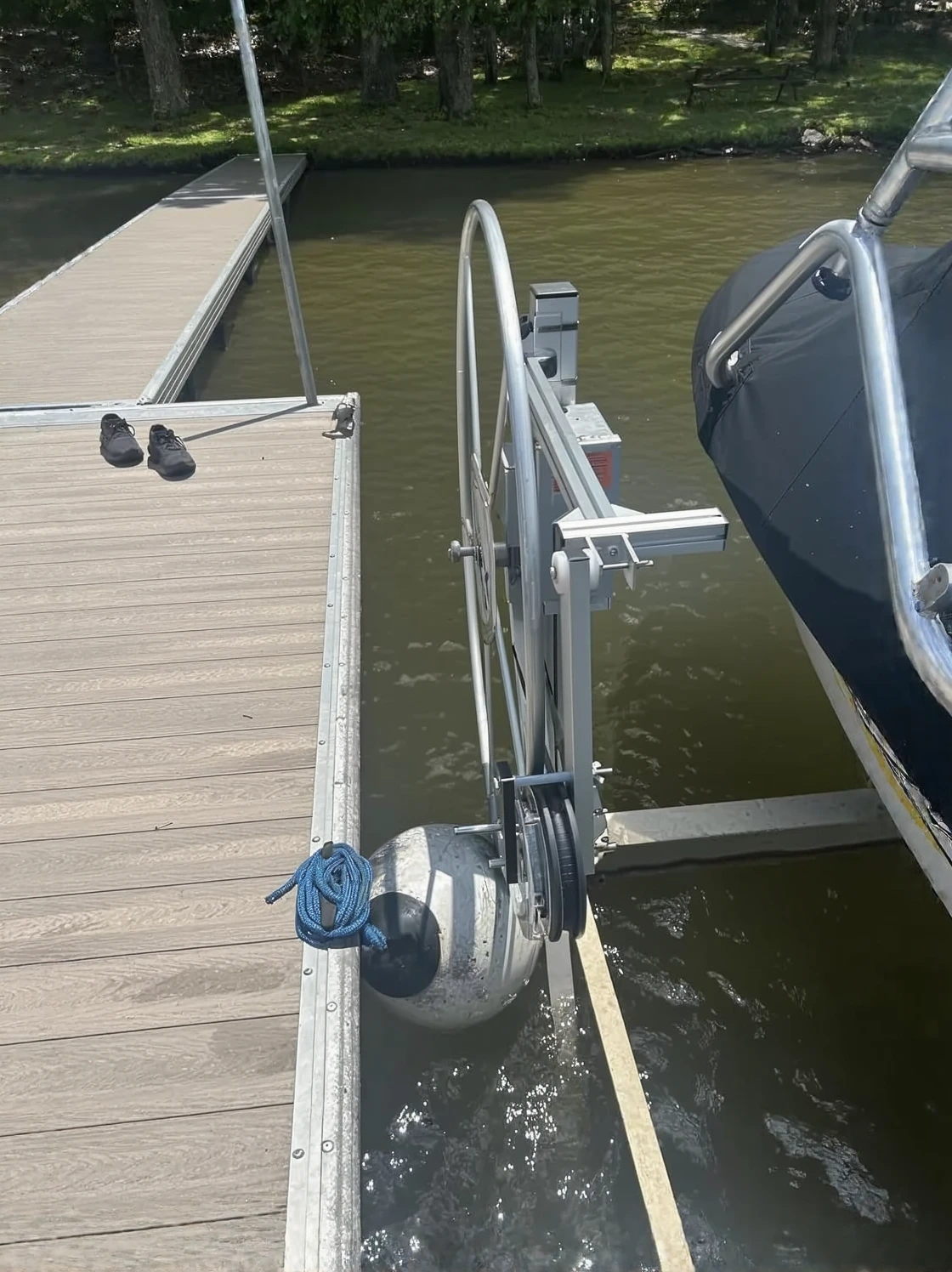
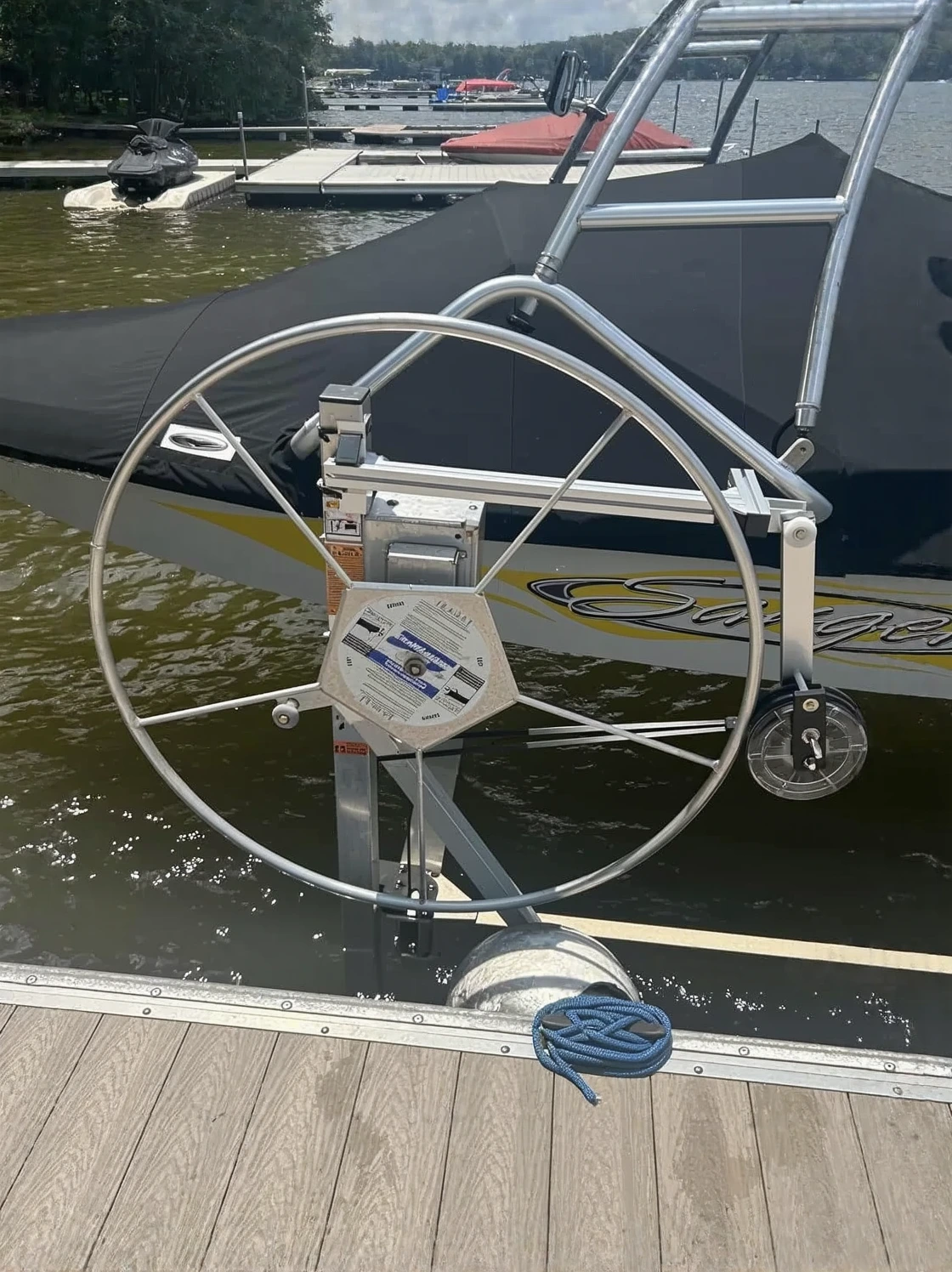
The motor powering your lift needs to match the actual working weight you’ve calculated — not the inflated nameplate capacity on the equipment. An undersized or overtaxed motor struggles during each raising sequence, consumes excessive electrical draw, and degrades the operational lifespan of every mechanical component downstream.
Specifications that deliver reliability
- 3/4 horsepower reserves enough margin so your boat rises with authority regardless of environmental factors or maximum capacity situations, instead of limping skyward under strain.
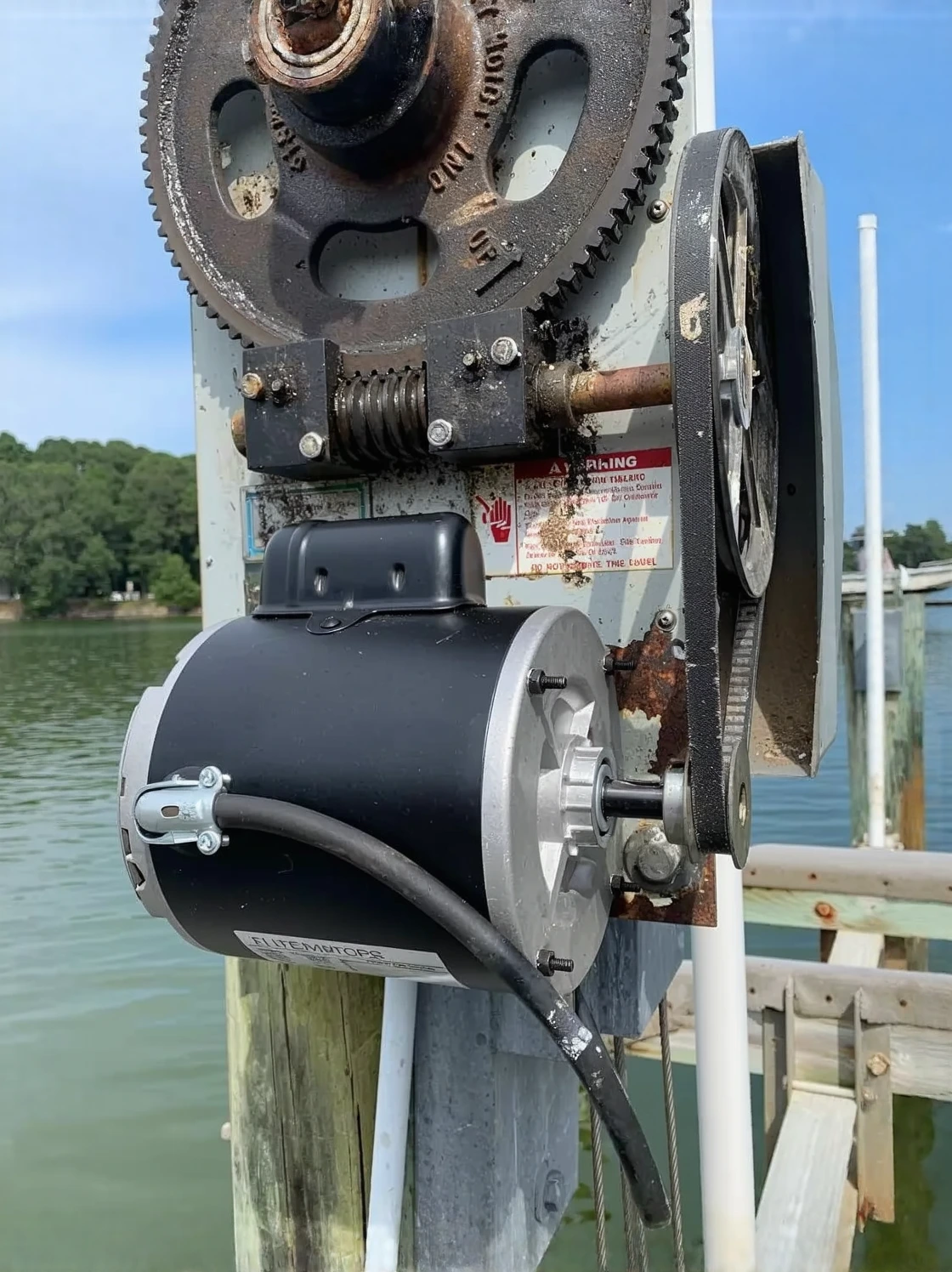
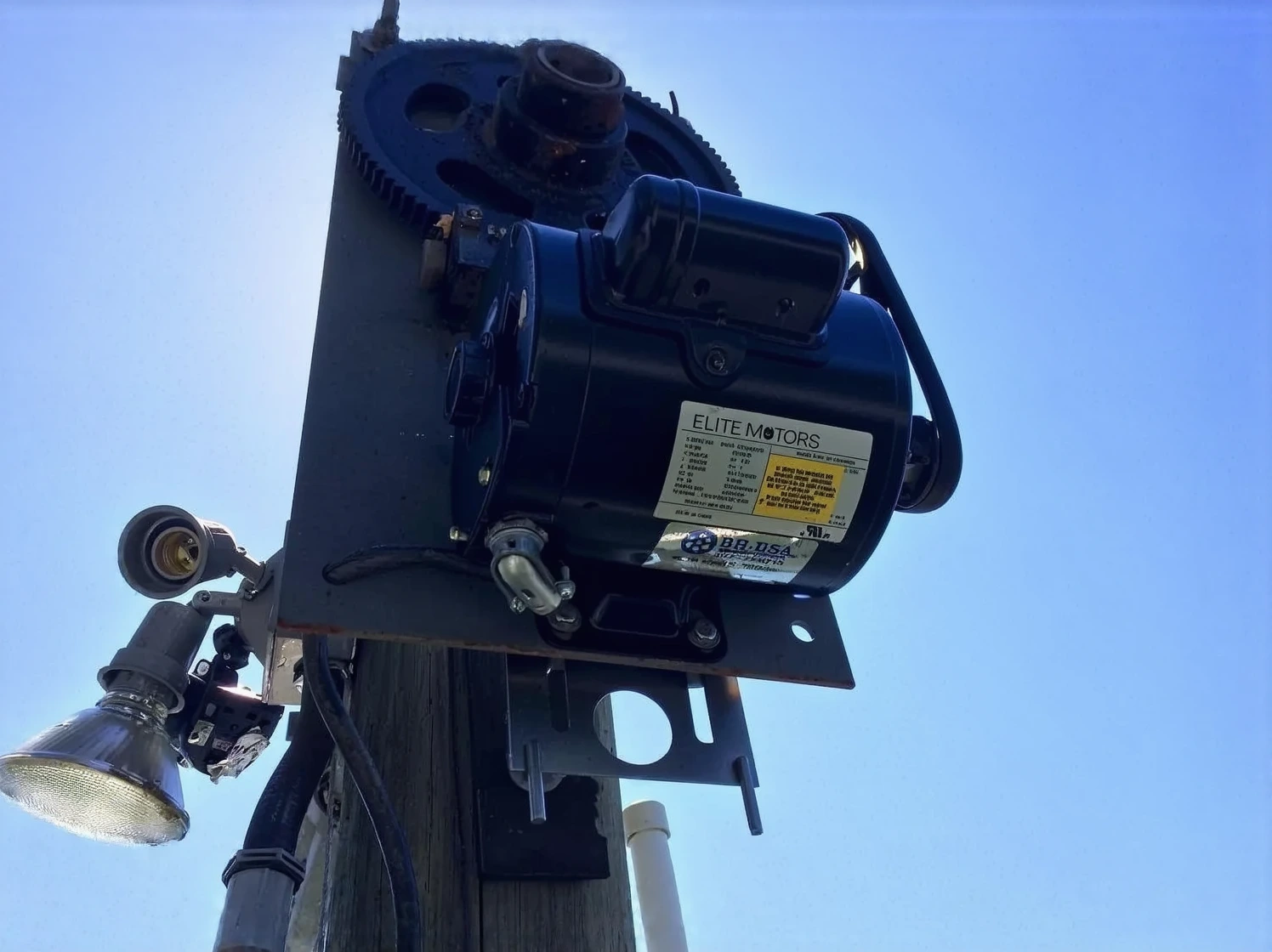
- TEFC 56-frame construction sheds salt spray and ambient moisture without allowing rust to seize interior bearings, essential for installations running continuously during extended boating seasons.
- Lift-specific engineering addresses the repeated short-duty cycles inherent to dock operations, rather than oversizing for industrial continuous-run applications.
What creates problems
- Retrofitting an undersized motor into an existing installation requires electrical system verification and potential control box modifications before proceeding.
- Lower-cost motor options save upfront dollars but represent exactly what fails catastrophically with your boat suspended in the slings between cycles.
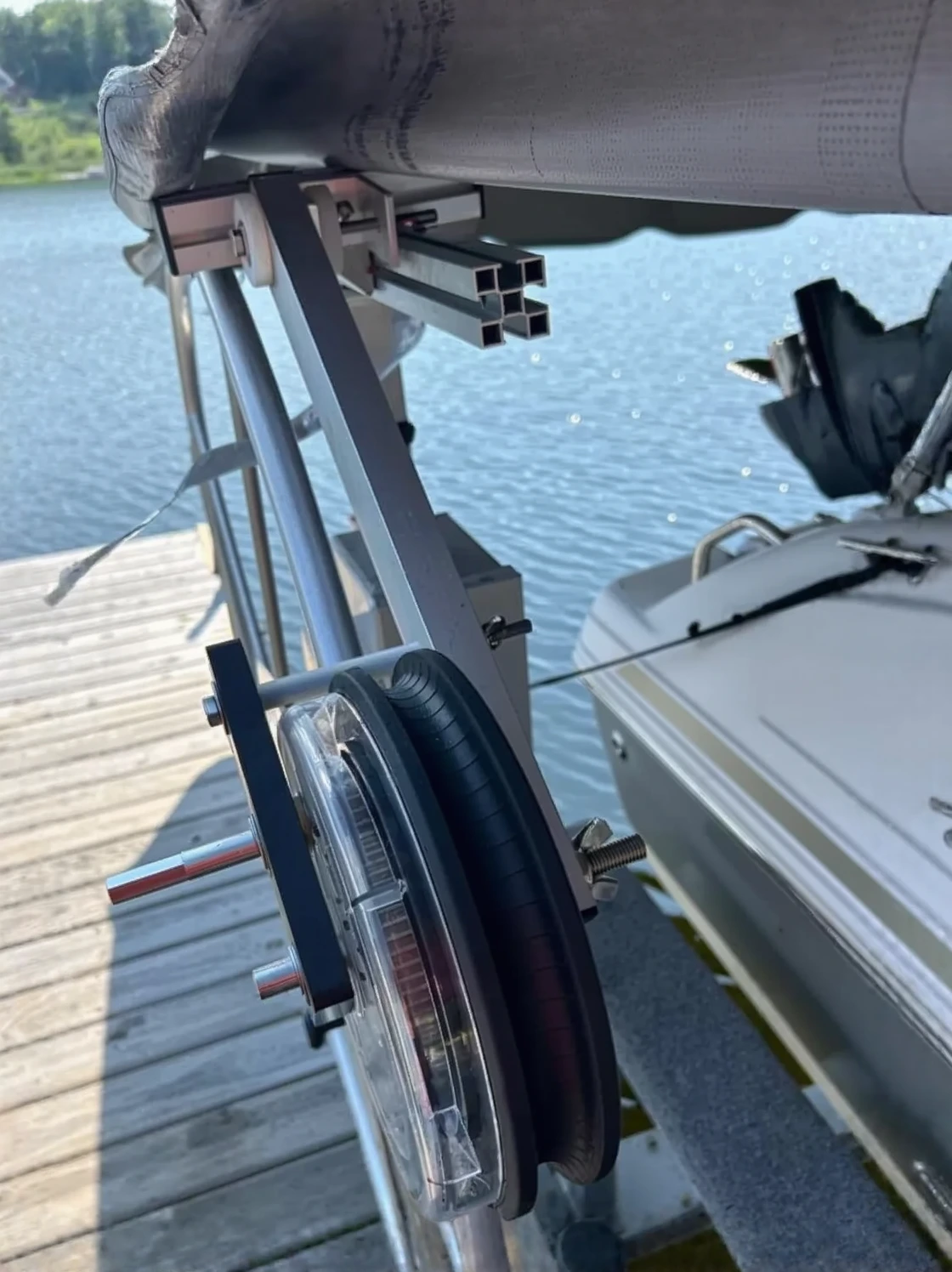
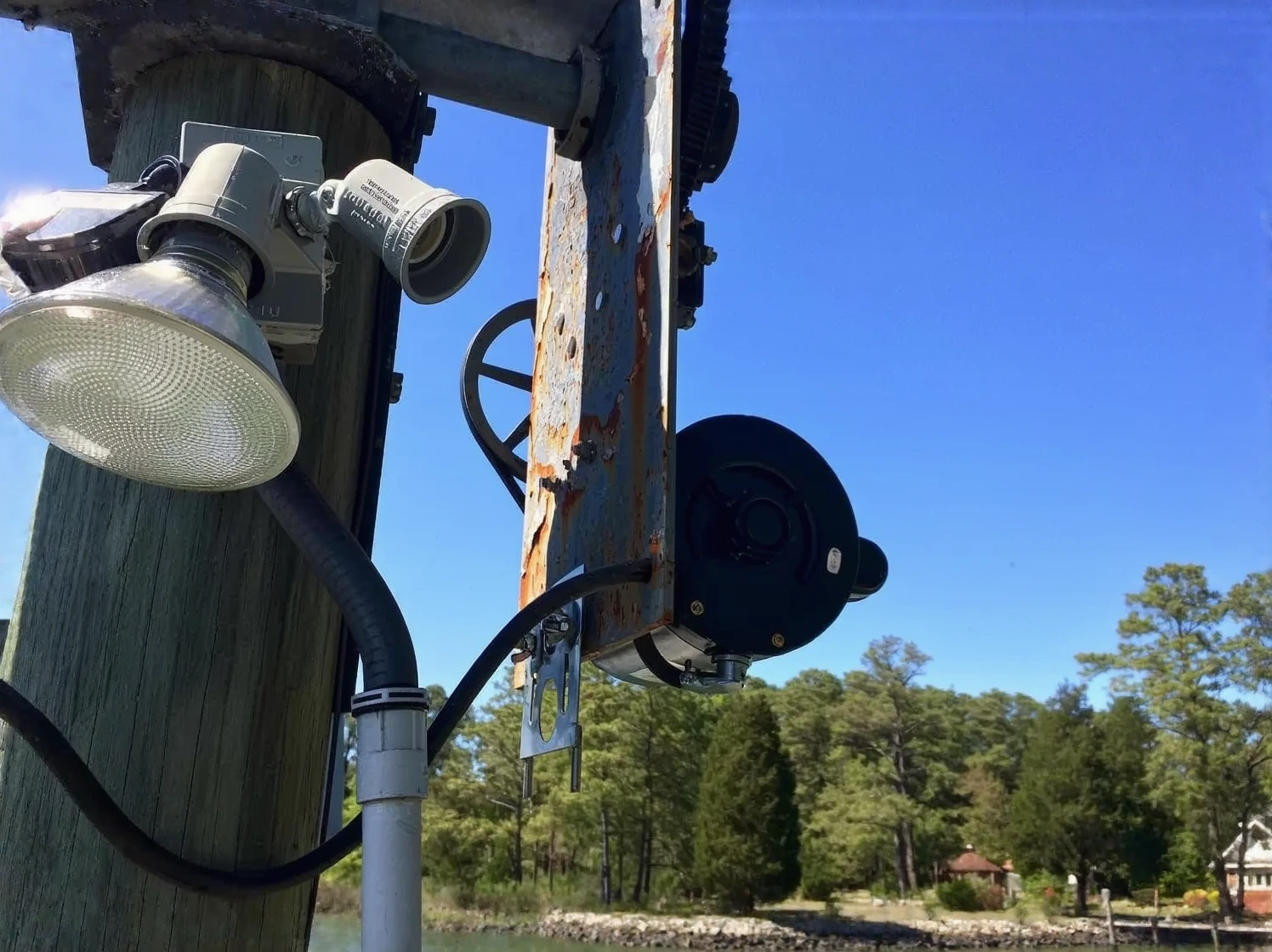
I nearly learned this lesson the hard way when I watched a neighbor’s 4,000-pound center console hang motionless for ten minutes while an undersized motor labored—I was genuinely worried something would give. Upgrade to an Elite 3/4 HP Painted 56 Frame Boat Lift Motor sized to your actual boat weight before you choose your lift type.
Frequently Asked Questions
What water depth do I need for a cantilever boat lift?
Cantilever lifts work best in shallow water between 2 and 4 feet. Once water exceeds 5 feet, the arc geometry breaks down and you’ll face premature motor failure and cable rupture. Verify your absolute minimum water depth at low tide before committing to a cantilever—I’ve seen tidal swings catch owners off guard and force complete system replacements.
How much weight can a cantilever boat lift handle?
Cantilever systems top out functionally around 6,000 pounds. Certain reinforced two-post variants approach 8,000 pounds, though these are rare. Once your boat—including fuel, gear, and everything aboard—crosses 5,500 pounds, I recommend shifting entirely toward a vertical configuration for that critical 500-pound safety margin.
What size motor do I need for my boat lift?
I specify a 3/4 horsepower motor with TEFC 56-frame construction sized to your actual calculated boat weight, not the equipment’s nameplate capacity. This reserves enough margin so your boat rises with authority regardless of conditions, instead of laboring under strain. An undersized motor fails catastrophically with your boat suspended in the slings.
Can I install a vertical lift on an old dock with small piles?
Yes. Vertical lift towers carry no dependency on your existing dock structure—all four posts anchor independent footpads directly into the underwater substrate. This design forgives aging or compromised infrastructure much more readily than cantilever systems, which require at least an 8-inch diameter pressure-treated pile to bolt to.
Sources and further reading
About This Article

Written by Trent Hollis. Waterfront homeowner turned DIY obsessive. After two decades tinkering with my own dock, seawall, and boat lift on the Gulf Coast, I share everything I've learned about waterfront construction, boat lift maintenance, and coastal living projects. More about this site.
Scope and limits. Trent is a waterfront homeowner, not a licensed marine contractor. Structural, electrical, and lift work should go to a licensed marine contractor, and most in-water work needs a permit before you start.
Verify this against a primary source
Specifics change, and your situation may differ from the one described here. These are the authorities worth checking directly:
- ABYC — marine electrical and construction standards
- U.S. Army Corps of Engineers — permitting for work in navigable waters
- NOAA Tides & Currents — tidal range and water level data for your site